
Feeling exhausted even after a full night of sleep? Struggling to get out of bed in the morning, relying on coffee to function, experiencing an afternoon energy crash, or feeling mentally and physically drained by the end of the day?
You may have heard these symptoms described as adrenal fatigue or simply burnout. Although the terms are sometimes used interchangeably, they do not mean the same thing.
Burnout is a recognized occupational phenomenon associated with chronic workplace stress. “Adrenal fatigue,” on the other hand, is a popular term used to describe a collection of symptoms attributed to prolonged stress, but it is not currently recognized as an established medical diagnosis.
That does not mean your symptoms are imaginary or should be ignored.
Persistent fatigue can have many potential causes, including sleep problems, thyroid dysfunction, nutrient deficiencies, blood sugar dysregulation, hormonal changes, chronic stress, medication effects, mental health conditions, and medical disorders.
At Functional Healthcare of Omaha, the goal is to look beyond the label and investigate what may actually be contributing to persistent fatigue and poor stress tolerance.
In this guide, we will explore adrenal fatigue vs burnout, how cortisol and the body’s stress response work, symptoms that deserve attention, and how a functional health approach can help uncover possible contributors to persistent exhaustion.
What Is Adrenal Fatigue?
“Adrenal fatigue” is a term commonly used in wellness and functional health conversations to describe symptoms such as:
- Persistent fatigue
- Difficulty waking in the morning
- Afternoon energy crashes
- Trouble handling stress
- Brain fog
- Sleep disturbances
- Cravings for salty or sweet foods
- Reliance on caffeine
- Feeling tired but wired at night
The theory behind adrenal fatigue suggests that prolonged stress causes the adrenal glands to become overworked and eventually unable to produce sufficient amounts of hormones such as cortisol.
However, current medical evidence does not support the idea that ordinary chronic stress causes the adrenal glands to simply become “fatigued” or stop functioning properly.
A systematic review published in BMC Endocrine Disorders concluded that there was insufficient evidence to establish adrenal fatigue as a medical condition. Read the systematic review on adrenal fatigue
So why do so many people identify with the symptoms?
Because the symptoms themselves can be very real, even if “adrenal fatigue” is not the correct medical explanation.
If Adrenal Fatigue Isn’t a Diagnosis, What Could Be Happening?
This is where the conversation becomes more useful.
Instead of assuming that the adrenal glands have become exhausted, healthcare providers can investigate the systems responsible for energy, stress regulation, sleep, metabolism, and hormone function.
Possible contributors to persistent fatigue include:
- Chronic psychological stress
- Inadequate or disrupted sleep
- Sleep apnea
- Thyroid dysfunction
- Iron deficiency
- Vitamin B12 deficiency
- Vitamin D deficiency
- Blood sugar dysregulation
- Hormonal changes
- Chronic inflammation
- Certain infections
- Medication side effects
- Depression or anxiety
- Underlying medical conditions
In other words, the question should not necessarily be:
“Do I have adrenal fatigue?”
A better question may be:
“Why am I exhausted, and what is interfering with my body’s ability to recover?”
That is an important distinction.
What Is Burnout?
Burnout is different.
The World Health Organization describes burnout in the International Classification of Diseases as an occupational phenomenon resulting from chronic workplace stress that has not been successfully managed.
The WHO identifies three primary dimensions:
- Feelings of energy depletion or exhaustion
- Increased mental distance from one’s job, or feelings of negativism or cynicism related to work
- Reduced professional effectiveness
World Health Organization information on burnout
Burnout is specifically associated with the occupational context. It is not classified by the WHO as a medical condition.
However, chronic stress associated with work can affect sleep, eating habits, physical activity, mood, relationships, and overall health.
Adrenal Fatigue vs Burnout: What’s the Difference?
The easiest way to understand the difference is to separate the label from the symptoms.
| Adrenal Fatigue | Burnout | |
|---|---|---|
| Recognized medical diagnosis? | No | Classified as an occupational phenomenon |
| Common association | Chronic stress and fatigue | Chronic workplace stress |
| Typical complaint | “I’m exhausted all the time” | “My work is draining me” |
| Energy depletion | Commonly reported | Common |
| Brain fog | Commonly reported | Can occur |
| Sleep problems | Commonly reported | Common |
| Reduced motivation | Commonly reported | Common |
| Work related cynicism | Not necessarily | Characteristic |
| Best next step | Investigate causes of fatigue | Address workplace stress and health contributors |
There can also be significant overlap.
Someone experiencing burnout may sleep poorly, consume more caffeine, exercise less, eat irregularly, and remain physiologically stressed for prolonged periods.
Those behaviors can then contribute to physical fatigue.
The Stress Response: What Is Actually Happening?
To understand why chronic stress can make you feel physically exhausted, it helps to understand the body’s stress response.
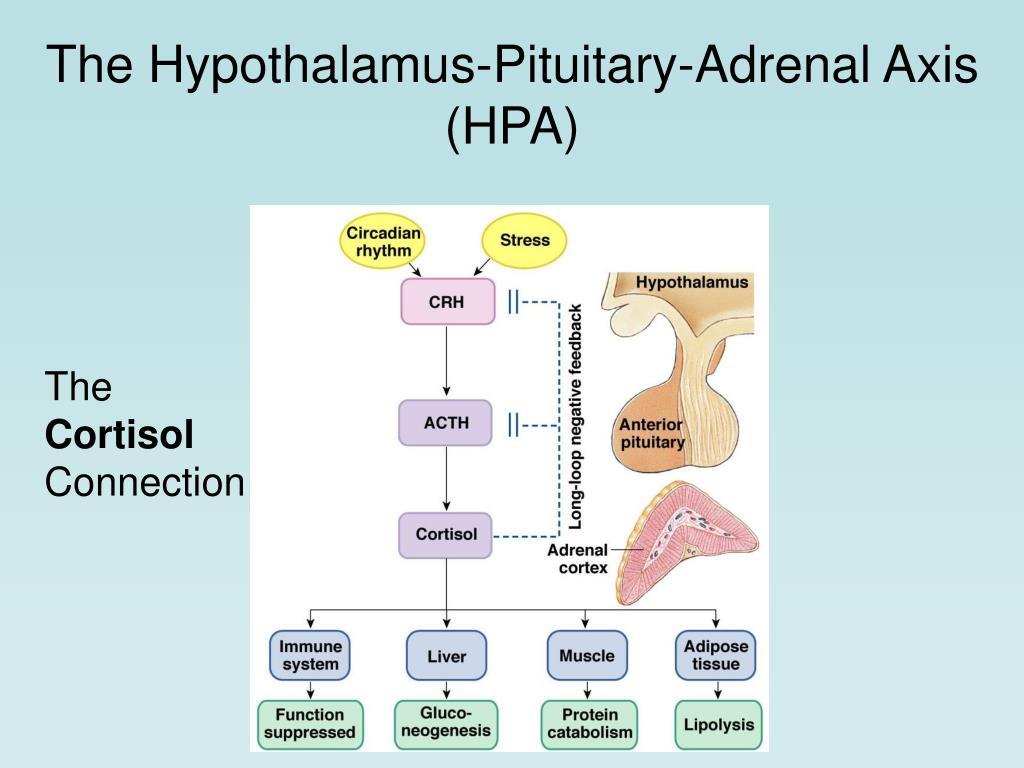
One of the central systems involved is the hypothalamic-pituitary-adrenal axis, commonly called the HPA axis.
The HPA axis involves communication between:
- The hypothalamus in the brain
- The pituitary gland
- The adrenal glands
When your brain perceives a threat or stressor, this system helps coordinate the body’s response.
The adrenal glands release cortisol, while other components of the stress response influence adrenaline, heart rate, blood pressure, glucose availability, and alertness.
Acute stress can be useful.
If you need to respond quickly to danger, your body can temporarily prioritize immediate survival.
Chronic stress is different.
When psychological, occupational, emotional, or physical stress continues for weeks or months, the body’s regulatory systems must repeatedly adapt.
This can influence:
- Sleep
- Appetite
- Blood sugar
- Mood
- Immune activity
- Digestion
- Energy
- Hormonal signaling
The issue is more complex than the adrenal glands simply “running out” of cortisol.
What Does Cortisol Actually Do?
Cortisol is frequently called the “stress hormone,” but that description is incomplete.
Your body needs cortisol.
Cortisol contributes to:
- Blood glucose regulation
- Metabolism
- Blood pressure regulation
- Immune function
- Inflammatory responses
- Circadian rhythm
- The body’s response to stress
Cortisol also follows a daily rhythm.
For most people, levels are generally higher around the time they wake and decline throughout the day toward nighttime.
This pattern helps support alertness during the day and sleep at night.
Chronic stress, irregular sleep schedules, shift work, certain medications, and medical conditions can influence this system.
Common Symptoms People Call “Adrenal Fatigue”
Although adrenal fatigue itself is not an established diagnosis, the symptoms associated with the term deserve investigation.
1. You Wake Up Exhausted
One of the most common complaints is:
“I sleep eight hours and still wake up tired.”
Sleep duration and restorative sleep are not the same thing.
You could spend eight hours in bed but experience disrupted sleep because of:
- Sleep apnea
- Stress
- Alcohol
- Blood sugar fluctuations
- Restless legs
- Pain
- Hormonal changes
- Poor sleep habits
Persistent morning fatigue should therefore trigger a broader evaluation rather than automatically being attributed to the adrenal glands
2. You Need Coffee to Feel Normal
Coffee itself is not necessarily a problem.
The concern is when caffeine becomes necessary just to reach baseline functioning.
You may notice:
- Multiple cups before noon
- Increasing caffeine intake
- Energy drinks in the afternoon
- Headaches without caffeine
- Feeling exhausted until caffeine kicks in
Heavy caffeine use can also interfere with sleep, potentially creating a cycle:
Fatigue → caffeine → disrupted sleep → more fatigue → more caffeine
Addressing the underlying fatigue is more useful than continually increasing stimulation
3. You Crash in the Afternoon
The familiar 2 or 3 PM crash can have multiple contributors.
Possible factors include:
- Poor sleep
- Large carbohydrate-heavy lunches
- Blood sugar fluctuations
- Dehydration
- Inadequate calorie intake
- Circadian rhythms
- Chronic stress
If your afternoon crash is severe enough that you cannot function without caffeine or sugar, it may be worth investigating further.
4. You Feel “Tired but Wired” at Night
You are exhausted all day.
Then bedtime arrives and suddenly your mind refuses to shut down.
You may experience:
- Racing thoughts
- Restlessness
- Difficulty falling asleep
- Waking during the night
- Feeling physically tired but mentally alert
Stress and disrupted sleep habits can contribute to this pattern.
Unfortunately, poor nighttime sleep then makes the following day’s fatigue worse.
5. Your Stress Tolerance Has Changed
Perhaps you previously handled busy schedules without difficulty, but now small problems feel overwhelming.
You might become:
- Easily irritated
- Emotionally reactive
- Anxious
- Overwhelmed
- Mentally exhausted
Changes in stress tolerance can occur when psychological demands repeatedly exceed available recovery.
This is particularly relevant when evaluating burnout.
Signs You May Be Experiencing Burnout
Burnout often begins gradually.
Initially, you may simply work longer hours or feel more tired.
Eventually, the relationship with work itself begins to change.
Common warning signs include:
- Feeling exhausted before the workday begins
- Dreading work
- Becoming cynical about your job
- Feeling emotionally detached from coworkers or clients
- Reduced productivity
- Difficulty concentrating
- Feeling that your work no longer matters
- Irritability
- Trouble disconnecting from work
- Sleep disturbances
- Reduced motivation
Burnout can occur even when someone previously enjoyed their career.
Burnout vs Normal Work Stress
Everyone experiences stressful days.
Burnout is different because the pattern becomes chronic.
Normal stress may look like:
“I have an extremely busy week.”
Burnout may feel like:
“I don’t remember the last time work didn’t exhaust me.”
The distinction is persistence and impact.
If taking a weekend off restores your energy and motivation, you may simply have been tired.
If exhaustion, cynicism, and reduced performance continue despite time away, burnout deserves more attention.
When Fatigue May Be More Than Burnout
This is one of the most important parts of the discussion.
Do not assume that severe fatigue is caused solely by stress.
Persistent exhaustion can sometimes signal an underlying health problem.
Thyroid Dysfunction
Hypothyroidism may cause:
- Fatigue
- Brain fog
- Weight gain
- Cold intolerance
- Constipation
- Dry skin
- Hair changes
- Depression
Because many of these symptoms overlap with burnout, thyroid problems can sometimes be overlooked.
If you are experiencing these symptoms, read our guide on Hypothyroidism Symptoms Most Doctors Miss.
Iron Deficiency and Anemia
Iron is essential for producing hemoglobin, which helps transport oxygen.
Low iron can contribute to:
- Fatigue
- Weakness
- Shortness of breath
- Headaches
- Reduced exercise tolerance
- Difficulty concentrating
Iron deficiency can occur even before significant anemia develops.
Vitamin B12 Deficiency
Vitamin B12 supports red blood cell production and nervous system function.
Deficiency may contribute to:
- Fatigue
- Weakness
- Cognitive changes
- Numbness or tingling
- Balance problems
Sleep Apnea
Sleep apnea is particularly important because people may believe they are getting adequate sleep.
Someone can spend eight hours in bed but repeatedly stop or reduce breathing throughout the night.
Possible signs include:
- Loud snoring
- Morning headaches
- Daytime sleepiness
- Difficulty concentrating
- Waking with a dry mouth
Persistent unexplained fatigue should prompt consideration of sleep quality, not just sleep duration.
Hormones and Chronic Fatigue
Hormonal changes can also affect energy.
In women, changes involving estrogen and progesterone may influence:
- Sleep
- Mood
- Body temperature
- Energy
- Menstrual cycles
In men, low testosterone may contribute to symptoms including:
- Reduced energy
- Lower libido
- Changes in muscle mass
- Mood changes
Thyroid hormones also play an important role in metabolism and energy regulation in both men and women.
This is why fatigue should rarely be evaluated through a single hormone.
Blood Sugar and the Energy Roller Coaster
Blood sugar regulation is another important piece of the fatigue puzzle.
Imagine starting your morning with a sweet coffee and pastry.
Blood glucose rises rapidly.
Your body releases insulin to help move glucose from the bloodstream into cells.
Several hours later, you may experience:
- Hunger
- Cravings
- Irritability
- Sleepiness
- Difficulty concentrating
You reach for another coffee or sugary snack, and the cycle repeats.
Building meals around adequate protein, fiber, healthy fats, and minimally processed carbohydrates may help support more stable energy for many people.
Gut Health and Fatigue
Digestive health can also influence how you feel.
Your gastrointestinal system is responsible for absorbing nutrients required for energy production.
Persistent digestive problems may interfere with nutritional status or signal another condition requiring evaluation.
Symptoms worth discussing with a healthcare provider include:
- Chronic bloating
- Persistent diarrhea
- Constipation
- Abdominal discomfort
- Unexplained food reactions
- Changes in bowel habits
The relationship between gut health, immune function, metabolism, and the nervous system is complex, which is another reason fatigue should be evaluated comprehensively.
Can Chronic Inflammation Make You Tired?
Inflammatory signaling can affect energy, sleep, appetite, and cognition.
Anyone who has experienced the flu knows the feeling.
Your body feels heavy. You want to sleep. Concentration becomes difficult.
That response is partly driven by immune signaling.
Chronic inflammatory conditions can sometimes produce less dramatic but persistent symptoms.
However, “inflammation” should not become a catch-all explanation for unexplained fatigue. The underlying cause still matters.
What About True Adrenal Disorders?
This distinction is critical.
Adrenal fatigue should not be confused with adrenal insufficiency.
Adrenal insufficiency is a genuine medical condition in which the adrenal glands do not produce adequate amounts of certain hormones.
Addison’s disease is one form of primary adrenal insufficiency.
Symptoms can include:
- Severe fatigue
- Muscle weakness
- Weight loss
- Low blood pressure
- Abdominal symptoms
- Changes in skin pigmentation in some cases
Adrenal insufficiency can be serious and requires appropriate medical diagnosis and treatment.
The National Institute of Diabetes and Digestive and Kidney Diseases provides detailed information about adrenal insufficiency and Addison’s disease. Learn about adrenal insufficiency from NIDDK
If adrenal insufficiency is suspected, it should be medically evaluated rather than treated with supplements marketed for “adrenal fatigue.”
How Functional Health Approaches Persistent Fatigue
When someone arrives with symptoms they have been calling adrenal fatigue, the goal should not be to force those symptoms into a predetermined diagnosis.
The better approach is to investigate.
At Functional Healthcare of Omaha, this may begin with a comprehensive assessment of factors such as:
- Symptoms
- Medical history
- Sleep
- Nutrition
- Stress
- Exercise
- Medications
- Hormonal symptoms
- Digestive health
- Lifestyle patterns
Testing can then be considered based on the patient’s history and clinical needs.
This approach is particularly valuable when several symptoms overlap.
For example, fatigue plus unexplained weight gain and cold intolerance may point the investigation in a different direction than fatigue plus snoring and morning headaches.
What Tests May Be Considered for Persistent Fatigue?
There is no universal “fatigue panel” appropriate for everyone.
Testing should be guided by symptoms and medical history.
Depending on the individual, a healthcare professional may consider evaluating areas such as:
- Complete blood count
- Iron and ferritin
- Vitamin B12
- Vitamin D
- Thyroid function
- Blood glucose
- Hemoglobin A1C
- Metabolic markers
- Hormonal markers when appropriate
Additional testing may be recommended depending on symptoms.
The purpose is not to order every possible test.
It is to use the patient’s history to decide which questions need answering.
How to Support Your Stress Response Naturally
Whether your exhaustion is primarily related to chronic stress or another contributing factor, foundational habits still matter.
Protect Your Sleep
Aim for a consistent sleep and wake schedule.
Try to:
- Keep the bedroom dark and cool
- Reduce late-night screen exposure
- Limit caffeine later in the day
- Avoid using alcohol as a sleep aid
- Create a predictable bedtime routine
If you consistently sleep enough but remain exhausted, discuss it with your healthcare provider.
Eat for Stable Energy
Instead of repeatedly using sugar and caffeine to rescue falling energy, focus on building meals that provide sustained nutrition.
Consider including:
- Quality protein
- Vegetables
- Fiber-rich carbohydrates
- Healthy fats
- Adequate hydration
This can help reduce dramatic energy swings for some people.
Reconsider Your Relationship With Caffeine
You do not necessarily need to eliminate coffee.
But ask yourself:
Am I drinking coffee because I enjoy it, or because I cannot function without it?
That answer can tell you something important about your current energy state.
Build Recovery Into Your Schedule
Exercise is beneficial, but more is not always better when someone is already exhausted.
Recovery may include:
- Walking
- Strength training appropriate for your capacity
- Mobility work
- Relaxation practices
- Time outdoors
- Social connection
- Adequate rest
The goal is not to eliminate every stressor.
The goal is to improve the balance between stress and recovery.
Adrenal Fatigue vs Burnout: The Bottom Line
The debate over adrenal fatigue vs burnout can distract from the most important issue.
Why don’t you feel well?
Burnout can occur when chronic workplace stress becomes overwhelming and recovery is inadequate.
The symptoms commonly labeled “adrenal fatigue” may reflect disrupted sleep, chronic stress, thyroid dysfunction, nutrient deficiencies, blood sugar problems, hormonal changes, medication effects, or another health condition.
Simply blaming exhausted adrenal glands may prevent someone from finding the real explanation.
If you wake up exhausted, depend on caffeine to function, experience frequent energy crashes, struggle with brain fog, or feel as though your body no longer handles stress the way it once did, those symptoms deserve attention.
At Functional Healthcare of Omaha, the focus is on looking at the bigger picture and identifying factors that may be contributing to persistent fatigue.
Rather than asking whether your adrenal glands are “tired,” consider asking a more useful question:
What is preventing my body from recovering and maintaining healthy energy?
Finding that answer can be the first step toward feeling like yourself again.
Frequently Asked Questions About Adrenal Fatigue vs Burnout
Is adrenal fatigue real?
Adrenal fatigue is not currently recognized as an established medical diagnosis, and research has not demonstrated that ordinary chronic stress causes the adrenal glands to become “fatigued.” However, the fatigue, sleep problems, brain fog, and stress intolerance people associate with the term can be real and deserve proper evaluation.
Is burnout a medical condition?
The World Health Organization classifies burnout as an occupational phenomenon, not a medical condition. It is associated with chronic workplace stress that has not been successfully managed.
Can burnout cause physical symptoms?
Chronic workplace stress can be associated with sleep disturbances, exhaustion, changes in appetite, headaches, digestive symptoms, and other health concerns. Physical symptoms should still be evaluated rather than automatically attributed to burnout.
What does a cortisol imbalance feel like?
There is no single symptom pattern that reliably diagnoses abnormal cortisol levels. Fatigue, sleep changes, weakness, and other symptoms can have many causes. Testing should be based on clinical evaluation.
Why am I tired even after eight hours of sleep?
Possible reasons include poor sleep quality, sleep apnea, thyroid dysfunction, nutrient deficiencies, medications, stress, mood disorders, metabolic problems, and other medical conditions.
Can thyroid problems feel like adrenal fatigue?
Yes. Hypothyroidism can cause fatigue, brain fog, mood changes, weight changes, and difficulty concentrating, symptoms that are frequently attributed to adrenal fatigue.
Should I take adrenal supplements?
Do not assume that supplements marketed for “adrenal support” are appropriate simply because you feel tired. Some products contain ingredients that may interact with medications or affect hormone function. Identifying the cause of fatigue first is a safer approach.