
Hypothyroidism symptoms can affect nearly every system in the body, yet many people go years without receiving proper answers. While fatigue and weight gain are widely recognized signs of an underactive thyroid, many lesser-known symptoms such as brain fog, anxiety, digestive issues, joint pain, and elevated cholesterol are often overlooked. Understanding these warning signs can help you identify thyroid dysfunction earlier and seek the right treatment.
One reason hypothyroidism often goes unnoticed is that symptoms can develop gradually and mimic other health conditions. Another reason is that standard thyroid testing does not always reveal the full picture.
At Functional Healthcare of Omaha, thyroid health is evaluated from a functional medicine perspective that focuses on identifying underlying causes rather than simply managing symptoms.
If you have been told your thyroid labs are normal but still feel unwell, this guide will help you understand the hypothyroidism symptoms many healthcare providers may overlook.
What Is Hypothyroidism?
Hypothyroidism occurs when the thyroid gland does not produce enough thyroid hormones to meet the body’s needs.
The thyroid is a butterfly-shaped gland located at the front of the neck. It regulates:
- Metabolism
- Energy production
- Body temperature
- Heart rate
- Brain function
- Hormone balance
- Digestive function
When thyroid hormone levels drop, nearly every system in the body slows down.
Why Hypothyroidism Is Often Missed
Many healthcare providers rely heavily on a single thyroid marker called TSH (Thyroid Stimulating Hormone).
While TSH is important, it does not always tell the complete story.
A person may have:
- Suboptimal thyroid function
- Poor conversion of T4 to T3
- Autoimmune thyroid disease
- Cellular thyroid resistance
yet still have a TSH result within the laboratory reference range.
As a result, patients may continue experiencing symptoms despite being told their thyroid is functioning normally.
Understanding Thyroid Hormones
The Thyroid Hormone Pathway

Key thyroid markers include:
TSH
Produced by the pituitary gland to signal the thyroid.
T4 (Thyroxine)
The inactive thyroid hormone.
T3 (Triiodothyronine)
The active hormone used by cells.
Reverse T3
An inactive form that can block thyroid activity.
Thyroid Antibodies
Markers used to identify autoimmune thyroid disease such as Hashimoto’s thyroiditis.
A comprehensive evaluation should examine more than TSH alone.
Classic Symptoms of Hypothyroidism
Many people are familiar with these common symptoms:
- Fatigue
- Weight gain
- Feeling cold
- Dry skin
- Hair loss
- Constipation
- Depression
However, these are only part of the picture.
Hypothyroidism Symptoms Most Doctors Miss
1. Brain Fog
One of the most common yet overlooked symptoms is cognitive dysfunction.
People often describe:
- Difficulty concentrating
- Memory problems
- Slower thinking
- Trouble finding words
Many patients believe they are simply stressed or aging.
The reality is that thyroid hormones directly affect brain function and neurotransmitter activity.
2. Anxiety and Panic Symptoms
Many people associate hypothyroidism with depression, but anxiety can also occur.
Symptoms may include:
- Feeling overwhelmed
- Excessive worry
- Panic attacks
- Nervousness
Hormonal imbalances often affect the nervous system in unexpected ways.
3. High Cholesterol
Elevated cholesterol can sometimes be an early warning sign of thyroid dysfunction.
Thyroid hormones help regulate cholesterol metabolism.
When thyroid function decreases:
- LDL cholesterol may increase
- Total cholesterol may rise
- Cardiovascular risk may increase
Many individuals are prescribed cholesterol medication without investigating thyroid function.
4. Difficulty Losing Weight
Not everyone with hypothyroidism gains large amounts of weight.
More commonly, people report:
- Weight loss resistance
- Slower metabolism
- Difficulty maintaining muscle
Even with healthy eating and exercise, progress can feel impossible.
5. Joint and Muscle Pain
Hypothyroidism often affects the musculoskeletal system.
Symptoms may include:
- Stiff joints
- Aching muscles
- Slower recovery from exercise
- Increased injury risk
Many patients are referred to orthopedic specialists without a thyroid evaluation.
6. Chronic Fatigue Despite Sleep
Fatigue vs Normal Tiredness
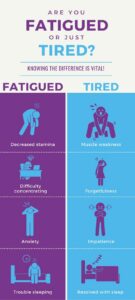
This symptom is often misunderstood.
Patients commonly report:
- Sleeping 8 to 10 hours but still feeling exhausted
- Needing naps
- Dependence on caffeine
- Afternoon crashes
Low thyroid activity affects cellular energy production, making fatigue one of the hallmark signs.
7. Hair Changes Beyond Hair Loss
Most people know hair loss can occur.
Less recognized symptoms include:
- Thinning eyebrows
- Dry brittle hair
- Slower hair growth
- Changes in texture
Loss of the outer third of the eyebrows is a classic thyroid clue.
8. Menstrual Irregularities
In women, thyroid dysfunction frequently affects reproductive hormones.
Possible symptoms include:
- Heavy periods
- Irregular cycles
- Fertility challenges
- Increased PMS symptoms
Many women seek gynecological care without realizing their thyroid may be contributing.
9. Low Libido
Thyroid hormones influence:
- Testosterone
- Estrogen
- Progesterone
- Energy production
Low thyroid function can reduce sexual desire in both men and women.
10. Digestive Issues
Hypothyroidism often slows digestion.
Symptoms may include:
- Constipation
- Bloating
- Food sensitivities
- Sluggish digestion
The thyroid and digestive system are closely connected.
11. Depression That Doesn’t Improve
Thyroid hormones impact neurotransmitters such as:
- Serotonin
- Dopamine
- GABA
Some patients treated for depression continue experiencing symptoms until thyroid issues are addressed.
12. Cold Hands and Feet
This symptom is commonly overlooked.
Low thyroid function reduces metabolic activity and circulation.
Patients often report:
- Cold extremities
- Difficulty warming up
- Sensitivity to winter weather
13. Puffy Face and Fluid Retention
Some individuals develop:
- Facial puffiness
- Swelling around the eyes
- Fluid retention
This can occur due to metabolic slowing and changes in tissue regulation.
14. Hoarseness and Voice Changes
The thyroid affects tissues in the throat and vocal cords.
Symptoms may include:
- Persistent hoarseness
- Voice fatigue
- Changes in vocal quality
15. Slow Heart Rate
Although not always present, hypothyroidism may contribute to:
- Lower resting heart rate
- Reduced exercise tolerance
- Fatigue during physical activity
The Hidden Connection to Hashimoto’s Thyroiditis
Many hypothyroidism cases are caused by Hashimoto’s disease.
Hashimoto’s is an autoimmune condition where the immune system attacks the thyroid gland.
Hashimoto’s Warning Signs

Possible symptoms include:
- Brain fog
- Fatigue
- Joint pain
- Digestive issues
- Anxiety
- Hair loss
Many patients are never tested for thyroid antibodies.
Root Causes of Hypothyroidism
Functional medicine focuses on understanding why thyroid dysfunction developed.
Common Root Causes
- Autoimmune disease
- Chronic stress
- Nutrient deficiencies
- Gut dysfunction
- Inflammation
- Blood sugar imbalance
- Environmental toxins
Identifying these factors often improves long term outcomes.
Nutrient Deficiencies That Affect Thyroid Health
Several nutrients are essential for proper thyroid function.
Important Nutrients
- Selenium
- Zinc
- Iron
- Iodine
- Vitamin D
- Magnesium
- Vitamin B12
Deficiencies can impair thyroid hormone production and conversion.
Chronic Stress and Thyroid Function
The Stress-Thyroid Connection
Long term stress can:
- Increase cortisol
- Reduce T4 to T3 conversion
- Raise reverse T3
- Suppress thyroid activity
Stress management is often a critical component of thyroid recovery.
Why Standard Thyroid Testing May Miss Problems
Many patients receive only:
- TSH testing
A more comprehensive thyroid evaluation may include:
- TSH
- Free T4
- Free T3
- Reverse T3
- TPO antibodies
- Thyroglobulin antibodies
This broader assessment provides a clearer picture.
Functional Medicine Approach to Hypothyroidism
At Functional Healthcare of Omaha, thyroid health is approached comprehensively.
Step 1: Detailed Health Assessment
Reviewing:
- Symptoms
- Lifestyle
- Nutrition
- Stress
- Medical history
Step 2: Advanced Testing
Testing may evaluate:
- Thyroid hormones
- Antibodies
- Nutrient status
- Cortisol patterns
- Inflammatory markers
Step 3: Personalized Treatment
Treatment may include:
- Nutrition strategies
- Supplement support
- Stress reduction
- Gut health optimization
- Thyroid medication when appropriate
Lifestyle Strategies That Support Thyroid Function
While every case is unique, these habits often help:
Prioritize Sleep
Aim for consistent, restorative sleep.
Manage Stress
Incorporate:
- Meditation
- Breathing exercises
- Walking
- Recovery practices
Support Blood Sugar Stability
Focus on:
- Protein rich meals
- Fiber
- Healthy fats
Reduce Inflammation
Choose whole foods and limit processed products.
When Should You Get Your Thyroid Evaluated?
Consider testing if you experience:
- Persistent fatigue
- Brain fog
- Weight loss resistance
- Hair thinning
- Anxiety or depression
- Cold intolerance
- Digestive issues
Especially if symptoms continue despite “normal” lab results.
Frequently Asked Questions
Can you have hypothyroidism symptoms with normal TSH?
Yes. Some individuals have thyroid dysfunction that is not fully reflected by TSH alone.
Is Hashimoto’s the same as hypothyroidism?
No. Hashimoto’s is an autoimmune disease that often causes hypothyroidism.
Can thyroid problems cause anxiety?
Yes. Thyroid hormones influence brain chemistry and nervous system function.
Can hypothyroidism affect weight loss?
Absolutely. Thyroid hormones play a major role in metabolism.
Final Thoughts
Hypothyroidism is far more complex than many people realize.
While fatigue and weight gain are common symptoms, many overlooked signs such as brain fog, anxiety, digestive problems, joint pain, elevated cholesterol, and hormonal disruptions may point to thyroid dysfunction long before a diagnosis is made.
If you continue experiencing symptoms despite being told your labs are normal, a more comprehensive evaluation may be necessary.
At Functional Healthcare of Omaha, the focus is on uncovering the root causes behind thyroid dysfunction and helping patients restore optimal health through personalized, evidence-based care.