
Chronic fatigue is one of the most misunderstood and frustrating health conditions people face today. It is more than just feeling tired. It is a persistent, often debilitating lack of energy that does not improve with rest and can affect every part of your life, from productivity to mood, metabolism, and overall well being.
If you are searching for the best functional medicine clinic in Omaha for chronic fatigue, you are likely looking for more than temporary solutions. You want answers, clarity, and a path forward.
At Functional Healthcare of Omaha, chronic fatigue is approached through a root cause lens, not a symptom suppression model. This blog explains why functional medicine is one of the most effective approaches for fatigue and what to expect when seeking care in Omaha.
What Is Chronic Fatigue?
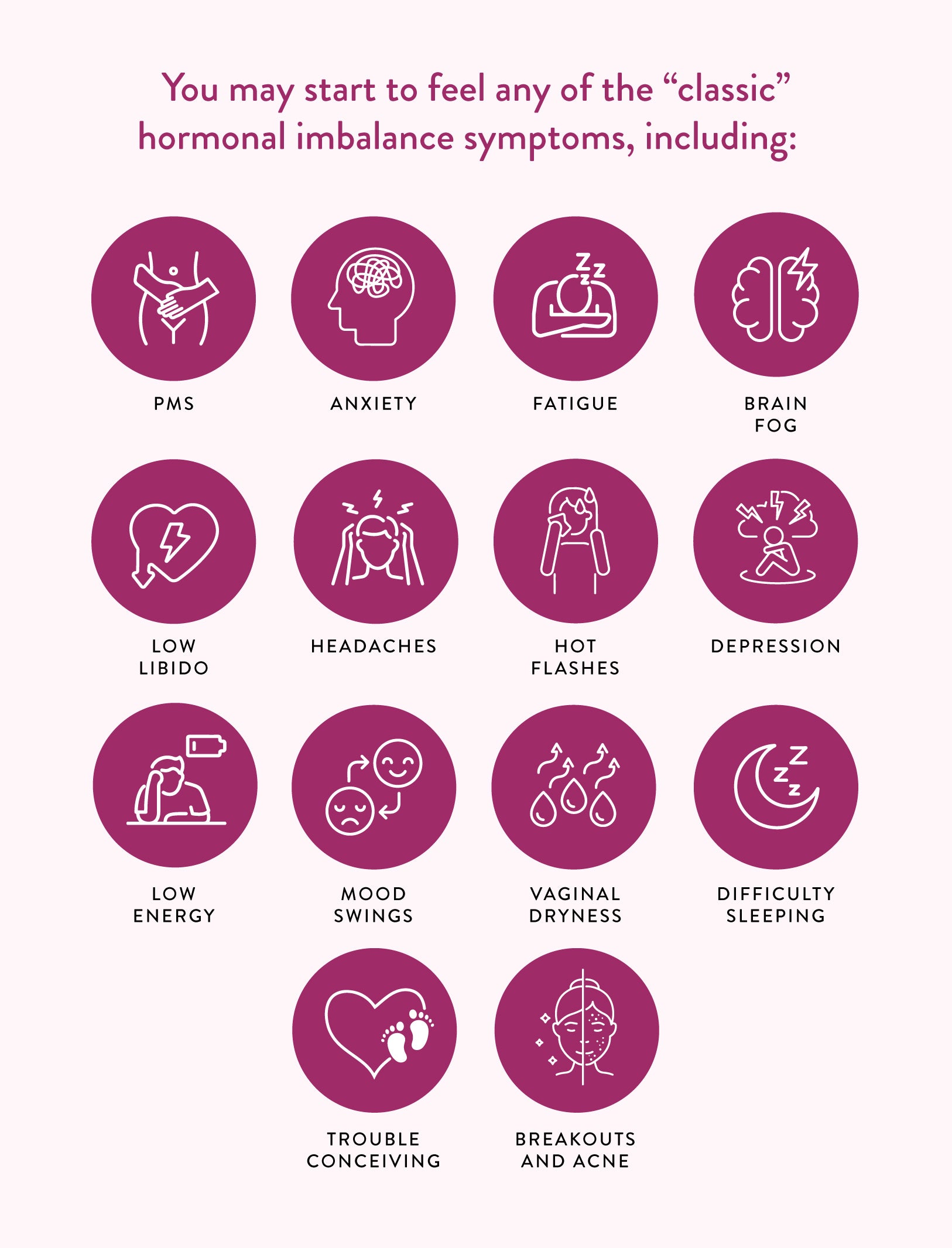
Chronic fatigue is not simply being overworked or sleep deprived. It is a persistent state of low energy that may include:
-
Feeling exhausted even after a full night of sleep
-
Brain fog or difficulty concentrating
-
Low motivation or mental burnout
-
Muscle weakness or heaviness
-
Mood changes, including anxiety or irritability
-
Reduced exercise tolerance
-
Frequent reliance on caffeine or sugar
For some individuals, fatigue becomes so severe that it interferes with daily activities and quality of life.
Why Conventional Approaches Often Fall Short
Many people with chronic fatigue go through standard medical evaluations and are told:
-
“Your labs look normal”
-
“You just need more rest”
-
“It might be stress”
While these factors can contribute, they rarely explain the full picture.
Conventional care often focuses on ruling out disease rather than identifying functional imbalances. As a result, many root causes remain unaddressed.
Functional medicine takes a different approach.
The Functional Medicine Approach to Chronic Fatigue
Instead of asking, “What diagnosis fits this symptom?” functional medicine asks:
“Why is your body lacking energy?”
Fatigue is not the problem. It is a signal.
Root Cause Model
Functional medicine investigates key systems that influence energy production:
-
Mitochondrial function
-
Hormonal balance
-
Blood sugar regulation
-
Gut health and nutrient absorption
-
Inflammation and immune activity
-
Stress response and adrenal function
By identifying which systems are underperforming, treatment becomes targeted and effective.
Book your Consultation today!
Why Functional Health Is Growing in Popularity
Across the United States, chronic disease rates are rising. Many individuals live with persistent symptoms despite “normal” labs.
Functional health appeals to people who:
-
Want natural options
-
Prefer prevention over reaction
-
Seek personalized care
-
Desire longer appointment times
-
Want education about their body
-
Are frustrated by symptom cycling
Patients often report feeling empowered rather than dependent.
Functional Health and Prevention
One of the strongest aspects of functional health is prevention.
Instead of waiting for disease to develop, practitioners evaluate:
-
Early inflammatory markers
-
Blood sugar trends
-
Hormonal shifts
-
Nutrient depletion
-
Stress load
This allows early correction before larger issues emerge.
Prevention may reduce risk for:
-
Type 2 diabetes
-
Cardiovascular disease
-
Autoimmune disorders
-
Metabolic syndrome
-
Hormonal disorders
The Systems Biology Perspective
Functional health is rooted in systems biology.
The body includes interconnected networks:
-
Gut influences brain
-
Brain influences hormones
-
Hormones influence metabolism
-
Metabolism influences inflammation
-
Inflammation influences immune function
No system operates independently.
For example, gut microbiome imbalance may:
-
Increase inflammation
-
Disrupt neurotransmitters
-
Alter hormone metabolism
-
Contribute to anxiety
-
Affect weight regulation
Addressing the gut can create ripple effects across the body.
Is Functional Health Evidence Based?
Functional health integrates:
-
Peer reviewed research
-
Clinical experience
-
Advanced diagnostics
-
Nutritional science
-
Systems biology
It is not alternative in the sense of rejecting science. It expands the lens beyond symptom management.
Many lifestyle interventions, such as anti inflammatory nutrition, stress reduction, sleep optimization, and blood sugar stabilization, are strongly supported by research.
What Makes Functional Health Personalized?
Two people with the same diagnosis rarely share the same root cause.
Example:
Two women with hypothyroidism:
-
One may have autoimmune Hashimoto’s disease triggered by gut permeability.
-
The other may have stress induced cortisol disruption suppressing thyroid conversion.
-
Another may have nutrient deficiencies impairing thyroid hormone production.
Treatment differs based on mechanism.
This personalization is central to functional health.
Book your Consultation today!
Common Root Causes of Chronic Fatigue
No two cases are identical, but several underlying factors frequently contribute to fatigue.
1. Hormone Imbalance
Hormones regulate energy, metabolism, sleep, and mood.
Common issues include:
-
Low thyroid function
-
Adrenal dysfunction
-
Estrogen or testosterone imbalance
-
Disrupted cortisol rhythm
Even subtle imbalances can significantly affect energy levels.
2. Blood Sugar Dysregulation
Fluctuating blood sugar can cause:
-
Energy crashes
-
Brain fog
-
Cravings
-
Irritability
Many patients with fatigue have underlying insulin resistance or unstable glucose patterns.
3. Gut Health Dysfunction
The gut plays a major role in:
-
Nutrient absorption
-
Immune regulation
-
Neurotransmitter production
Conditions like:
-
Leaky gut
-
Dysbiosis
-
Food sensitivities
can contribute to systemic fatigue.
4. Chronic Inflammation
Low grade inflammation can drain energy and impair cellular function.
It may be triggered by:
-
Diet
-
Stress
-
Environmental toxins
-
Hidden infections
5. Nutrient Deficiencies
Even if you eat well, deficiencies can occur due to poor absorption or increased demand.
Common deficiencies linked to fatigue:
-
Iron
-
Vitamin B12
-
Vitamin D
-
Magnesium
-
CoQ10
6. Mitochondrial Dysfunction
Mitochondria are the energy producers of your cells.
When they are not functioning properly, energy production declines regardless of sleep or diet.
7. Chronic Stress and Adrenal Load


Chronic stress alters cortisol patterns, leading to:
-
Morning fatigue
-
Afternoon crashes
-
Sleep disturbances
-
Anxiety
Over time, the body struggles to maintain stable energy.
Book your Consultation today!

Book your Consultation today!