
If you are searching for a gut health specialist Omaha, you may be dealing with symptoms that keep returning despite dietary changes, supplements, or conventional treatments. Bloating after meals, constipation, diarrhea, abdominal discomfort, food reactions, fatigue, and brain fog can all affect quality of life, but they do not necessarily have the same underlying cause.
Your digestive system does much more than process food. The gastrointestinal tract interacts with your immune system, metabolism, nervous system, and the trillions of microorganisms that make up your gut microbiome.
At Functional Healthcare of Omaha, the approach to gut health begins with understanding the individual rather than assuming that everyone with bloating or digestive discomfort needs the same solution. The clinic offers functional health consultations and, when clinically appropriate, advanced testing including gut microbiome and GI mapping assessments. Functional Healthcare of Omaha
This guide explains signs that your gut may need attention, what can contribute to digestive symptoms, what a gut health evaluation may involve, and when it makes sense to seek professional care.
Why Choose a Gut Health Specialist in Omaha?
A gut health specialist evaluates digestive symptoms within the context of your overall health.
That distinction matters.
If you experience persistent bloating, for example, simply trying another probiotic does not identify why the bloating is occurring.
Depending on your symptoms and medical history, possible contributors can range from eating habits and constipation to food intolerances, gastrointestinal disorders, infections, medication effects, or changes in the intestinal microbiome.
A functional health approach considers these possibilities alongside factors such as:
- Diet and nutrition
- Bowel habits
- Stress
- Sleep
- Medications
- Supplements
- Previous infections
- Hormonal health
- Metabolic health
- Medical history
- Lifestyle
Testing may then be considered when it can help answer a specific clinical question.
At Functional Healthcare of Omaha, testing is not automatically ordered for every patient. The clinic states that testing is recommended when it can clarify patterns or guide decisions.
Why Gut Health Matters
Your gastrointestinal tract includes the stomach, small intestine, large intestine, and other organs involved in digestion.
Its responsibilities extend beyond simply breaking down your last meal.
The digestive system helps your body:
- Digest food
- Absorb nutrients
- Eliminate waste
- Maintain the intestinal barrier
- Interact with the immune system
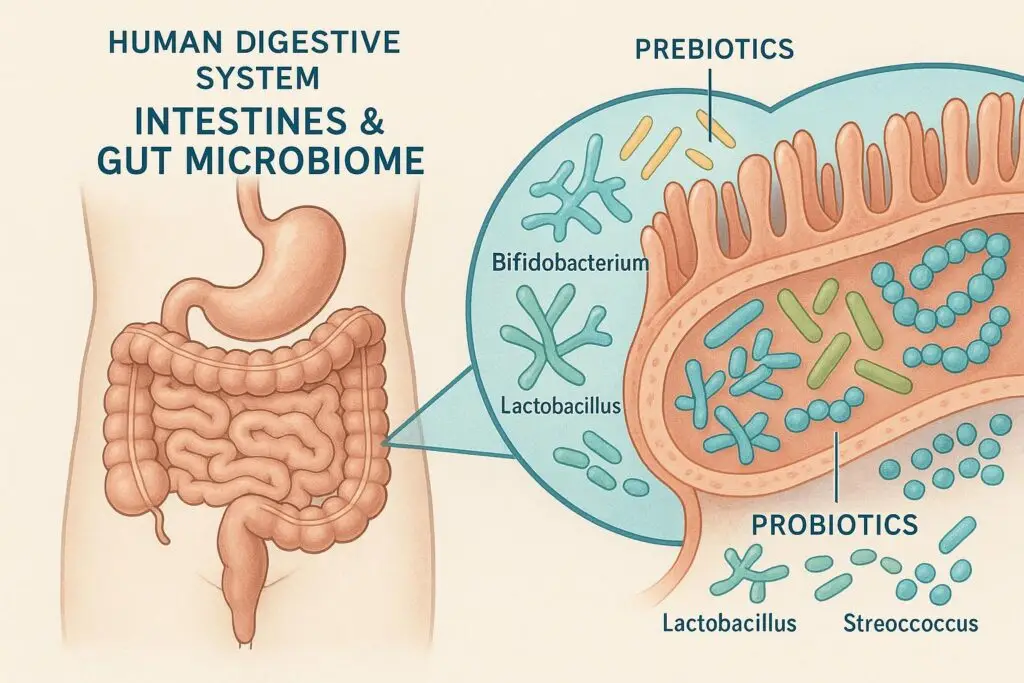
Your intestines also contain a complex ecosystem known as the gut microbiome.
The microbiome includes trillions of microorganisms, including bacteria, viruses, fungi, and other microbes. These organisms interact with digestion, immune function, metabolism, and other physiological processes.
The composition of the microbiome differs significantly from person to person.
That is one reason gut health cannot always be reduced to a universal list of “good” and “bad” bacteria.
What Is the Gut Microbiome?
The gut microbiome is the community of microorganisms living primarily in your intestines.
Some microbes help break down components of food that human digestive enzymes cannot completely process. Gut bacteria can also produce metabolites that interact with cells throughout the body.
The microbiome is influenced by many factors, including:
- Diet
- Age
- Medications
- Antibiotic exposure
- Environment
- Illness
- Lifestyle
Researchers continue to investigate how changes in the microbiome relate to health and disease.
For a helpful overview, Cleveland Clinic’s guide to the gut microbiome explains what the microbiome is and some of its known functions.
10 Signs It May Be Time to See a Gut Health Specialist
10 Signs It May Be Time to See a Gut Health Specialist
Digestive symptoms happen occasionally to almost everyone.
The concern is when symptoms become persistent, recurrent, severe, or begin interfering with your everyday life.
- Frequent Bloating
Occasional bloating after a large meal is not unusual.
Persistent bloating is different.
You may notice that your abdomen feels normal in the morning but becomes progressively distended throughout the day. Perhaps certain meals consistently trigger discomfort, or you regularly need to loosen your clothing after eating.
Possible contributors can include:- Constipation
- Dietary factors
- Food intolerances
- Swallowed air
- Altered gastrointestinal motility
- Irritable bowel syndrome
- Small intestinal bacterial overgrowth, in some patients
- Other gastrointestinal conditions
Instead of indefinitely eliminating foods, identifying patterns and considering an appropriate medical evaluation can provide more useful information.
- Constipation
Bowel habits vary between individuals, but chronic constipation deserves attention.
Symptoms can include:- Infrequent bowel movements
- Hard stools
- Straining
- Feeling unable to completely empty
- Abdominal discomfort
Constipation may be related to dietary fiber, hydration, activity, medications, pelvic floor dysfunction, IBS, metabolic or endocrine conditions, and other factors.
For example, hypothyroidism can contribute to slowed bowel function.
That is why looking at digestive symptoms alongside the rest of your health history can be valuable.
- Frequent Diarrhea
Recurring loose stools can have many possible causes.
These include:- Infection
- Medication effects
- Dietary triggers
- Lactose intolerance
- IBS
- Celiac disease
- Inflammatory bowel disease
- Other gastrointestinal disorders
Persistent diarrhea should not simply be treated as a “detox” response or assumed to be caused by the microbiome.
It warrants appropriate evaluation.
- Unexplained Food Reactions
You eat a particular food and consistently experience:- Bloating
- Gas
- Abdominal discomfort
- Diarrhea
- Nausea
It is tempting to respond by removing more and more foods.
Sometimes an elimination strategy is appropriate under professional guidance. However, highly restrictive diets can make adequate nutrition more difficult and may not identify the underlying problem.
A gut health specialist can help evaluate whether symptoms suggest a food intolerance, digestive disorder, or another potential contributor.
- Persistent Gas
Gas is a normal product of digestion and microbial fermentation.
Excessive or uncomfortable gas, however, may warrant investigation.
Diet is often an important factor because certain carbohydrates are more readily fermented by gut bacteria.
Persistent gas occurring alongside significant bloating, bowel changes, pain, or other symptoms provides additional information that may help guide an evaluation. - Abdominal Discomfort
Recurring abdominal pain or discomfort should not automatically be attributed to “bad gut health.”
Location, timing, severity, and associated symptoms matter.
For example:- Does it happen after eating?
- Does having a bowel movement improve it?
- Is it associated with constipation or diarrhea?
- Does a particular food trigger it?
- Did it begin after an illness?
- Is it getting progressively worse?
These details can help a healthcare professional determine appropriate next steps.
- Acid Reflux or Heartburn
Reflux occurs when stomach contents travel upward into the esophagus.
Symptoms may include:- Burning in the chest
- Sour taste
- Regurgitation
- Throat irritation
- Symptoms after meals or when lying down
Occasional reflux is common, but persistent symptoms should be evaluated, particularly if they interfere with sleep or require frequent medication.
- Fatigue Alongside Digestive Problems
Fatigue is not automatically a gut problem.
However, persistent digestive symptoms combined with fatigue can justify looking at the broader health picture.
For example, gastrointestinal conditions can sometimes affect nutrient absorption, while deficiencies in nutrients such as iron or vitamin B12 can contribute to fatigue.
Other causes, including thyroid disorders, sleep problems, chronic illness, medication effects, and hormonal changes, should also be considered. - Brain Fog With Digestive Symptoms
“Brain fog” is not a specific medical diagnosis. People generally use the term to describe problems such as:- Difficulty concentrating
- Forgetfulness
- Slower thinking
- Trouble maintaining focus
Researchers are studying communication between the gastrointestinal tract, microbiome, and central nervous system, commonly referred to as the gut-brain axis.
That does not mean every case of brain fog originates in the gut, but the relationship between these systems is an active area of research.
- Digestive Symptoms That Keep Returning
Perhaps you have tried:
- Probiotics
- Elimination diets
- Fiber supplements
- Digestive enzymes
- Herbal products
- Over-the-counter medications
You improve temporarily, then the symptoms return.
At that point, continually experimenting with another supplement may be less useful than stepping back and asking what is driving the recurring pattern.
The Gut-Brain Connection
Your brain and digestive system constantly communicate.
This bidirectional communication involves several pathways, including:
- The nervous system
- The vagus nerve
- Immune signaling
- Hormonal signaling
- Microbial metabolites
This network is commonly called the gut-brain axis.
Researchers are studying how this relationship may influence gastrointestinal function, stress responses, mood, and neurological health.
Stress also works in the opposite direction.
Have you ever felt “butterflies” before a presentation or suddenly needed to use the restroom when nervous?
That is a simple example of the brain influencing gastrointestinal function.
Chronic stress may affect appetite, digestive motility, food choices, sleep, and gastrointestinal symptoms.
Gut health and stress therefore should not always be viewed as completely separate issues.
What Is Dysbiosis?
You may encounter the word dysbiosis when researching gut health.
Dysbiosis generally describes changes or imbalance in a microbial community.
The concept is more complicated than having too many “bad bacteria” and not enough “good bacteria.”
Scientists are still working to define what constitutes an ideal microbiome because microbial composition varies widely among healthy people.
This is important when interpreting commercial microbiome testing.
A test result should not be viewed in isolation as a diagnosis. It needs to be considered alongside symptoms, medical history, conventional testing when appropriate, and clinical judgment.
What Is SIBO?
SIBO stands for small intestinal bacterial overgrowth.
It describes excessive bacteria in the small intestine and may be associated with symptoms including:
- Bloating
- Gas
- Abdominal discomfort
- Diarrhea
- Constipation in some cases
However, these symptoms overlap with many other digestive conditions.
You cannot reliably diagnose SIBO based on bloating alone.
Breath testing may be used in appropriate circumstances, and a healthcare provider can determine whether testing is warranted.
What Is Leaky Gut?
“Leaky gut” is another phrase commonly used online.
The intestinal lining normally acts as a selective barrier, allowing nutrients and other substances to cross while helping regulate what remains outside the body’s internal environment.
Increased intestinal permeability has been studied in several medical conditions.
However, “leaky gut syndrome” is often used much more broadly online than current evidence supports.
Rather than assuming every symptom is caused by a leaky gut, the more useful approach is to investigate the specific digestive or systemic symptoms you are experiencing.
IBS and Functional Gut Health
Irritable bowel syndrome, or IBS, is a recognized disorder of gut-brain interaction.
Symptoms can include:
- Abdominal pain
- Bloating
- Constipation
- Diarrhea
- Changes in bowel habits
Some people have IBS predominantly associated with constipation, others with diarrhea, and others experience both.
IBS does not mean the symptoms are “all in your head.”
It reflects complex interactions involving gastrointestinal function and gut-brain communication.
Because symptoms of IBS can overlap with other gastrointestinal disorders, proper assessment matters.
Could Your Diet Be Affecting Your Gut?
Diet is one of the strongest modifiable influences on gastrointestinal function.
Fiber, for example, provides substrates that certain gut bacteria can ferment.
Different types of fiber are found in foods such as:
- Vegetables
- Fruits
- Legumes
- Whole grains
- Nuts
- Seeds
A varied diet can support microbial diversity and provide essential nutrients.
But there is an important caveat.
Someone experiencing significant IBS symptoms, inflammatory bowel disease, food intolerance, or another gastrointestinal condition may not tolerate every high-fiber food equally.
That is why generic advice to simply “eat more fiber” is not appropriate for everyone.
Personalization matters.
Probiotics: Do You Actually Need Them?
Probiotics are widely marketed for digestive health.
But more probiotics are not automatically better.
Different probiotic strains have different characteristics, and evidence varies depending on the condition being studied.
Some people may benefit from specific probiotic products. Others may notice no difference, and some people with sensitive digestive systems may experience increased bloating or discomfort.
Rather than buying a supplement simply because the label says “50 billion CFU,” consider why you are taking it and whether evidence supports its use for your particular concern.
Prebiotics vs Probiotics
These terms sound similar but describe different things.
Probiotics are live microorganisms intended to provide a health benefit when administered appropriately.
Prebiotics are substrates that microorganisms can use and that may support beneficial microbial activity.
Many prebiotic compounds are types of dietary fiber.
Whole foods naturally provide a variety of compounds that interact with the microbiome, which is one reason dietary diversity is an important part of long-term gut health.
Antibiotics and Your Gut Microbiome
Antibiotics can be essential, sometimes lifesaving medications.
They can also alter the composition of intestinal bacteria.
That does not mean antibiotics should be avoided when medically necessary.
Instead, patients should:
- Use antibiotics when appropriately prescribed
- Follow the prescribed course
- Avoid taking leftover antibiotics
- Avoid using someone else’s medication
- Discuss significant gastrointestinal side effects with their provider
If digestive symptoms began following antibiotic treatment and continue, that history is worth discussing during a gut health evaluation.
Gut Health Testing in Omaha: What Can Be Evaluated?
One advantage of working with a gut health specialist is determining whether testing is actually appropriate.
Functional Healthcare of Omaha offers Gut Biome Testing / GI Mapping within its functional lab services. The clinic describes this testing as evaluating factors involving digestion, inflammation, microbiome composition, pathogens, and microbial diversity. Testing begins with a Functional Health Consultation so the provider can determine which assessments are appropriate. Functional Healthcare of Omaha
Depending on your symptoms and history, an evaluation may involve conventional testing, specialty testing, or both.
The important principle is:
Test to answer a clinical question, not simply because a test exists.
What Is GI Mapping?
GI mapping generally refers to specialty stool testing designed to examine different features of the gastrointestinal environment.
Depending on the specific test, it may assess markers related to:
- Certain bacteria
- Parasites
- Other microorganisms
- Digestive function
- Inflammatory markers
- Microbial composition
Functional Healthcare of Omaha lists GI-MAP among the specialty tests that may be considered following consultation. The clinic also notes that many specialty functional tests are laboratory-developed tests regulated under CLIA rather than FDA-approved diagnostic devices, and results should be interpreted within the patient’s overall clinical picture. Functional Healthcare of Omaha
This distinction is important.
A stool test should support clinical decision-making, not replace a complete medical evaluation.
What Happens When You See a Gut Health Specialist in Omaha?
At Functional Healthcare of Omaha, the process starts with a Functional Health Consultation.
Rather than immediately handing every patient the same gut protocol, the clinical team reviews factors such as:
Your symptom history
When did the symptoms begin?
Were they sudden or gradual?
Did they follow:
- Antibiotic treatment?
- An infection?
- Travel?
- Pregnancy?
- A major dietary change?
- A period of significant stress?
Your digestive patterns
The provider may ask about: - Bowel movement frequency
- Stool consistency
- Bloating
- Gas
- Reflux
- Abdominal discomfort
- Food reactions
Your broader health
Digestive symptoms do not exist in isolation.
Your evaluation may also consider: - Fatigue
- Hormonal symptoms
- Thyroid symptoms
- Sleep
- Stress
- Weight changes
- Medications
- Nutritional status
Functional Healthcare of Omaha states that its consultations include review of the patient’s health timeline, symptoms, lifestyle factors, medications, allergies, and goals before deciding whether testing or therapies are appropriate.
What Happens After Testing?
Testing is only useful if the information can be interpreted appropriately.
After results are available, your healthcare provider can review them in the context of:
- Your symptoms
- Health history
- Physical findings
- Other laboratory results
- Current medications
- Nutrition
- Lifestyle
Functional Healthcare of Omaha reports that its specialty tests commonly take several weeks to return, with timing depending on the specific test. Results are then reviewed with a licensed provider. Functional Healthcare of Omaha
Recommendations may include nutrition and lifestyle strategies, and other interventions may be considered depending on the individual’s findings and clinical needs.
When Should Digestive Symptoms Be Evaluated More Urgently?
Functional health care should complement, not replace, appropriate medical evaluation.
Certain symptoms require prompt medical attention.
These may include:
- Blood in the stool
- Black or tarry stools
- Persistent vomiting
- Severe abdominal pain
- Unexplained weight loss
- Difficulty swallowing
- Persistent fever
- Signs of dehydration
- Significant changes in bowel habits
- Symptoms that wake you repeatedly at night
These symptoms should not be managed solely through supplements or dietary experimentation.
How to Support Gut Health Every Day
You do not need a complicated supplement routine to begin supporting digestive health.
Several foundational habits are worth considering.
Eat a Diverse Diet
When tolerated, include a variety of minimally processed plant foods.
Different foods provide different fibers and phytochemicals that interact with the gut microbiome.
Stay Hydrated
Adequate hydration supports normal digestive function and can be particularly important for people experiencing constipation.
Move Regularly
Physical activity supports many aspects of health and can influence gastrointestinal motility.
Prioritize Sleep
Sleep and circadian rhythms interact with metabolism, appetite, stress, and gastrointestinal function.
Manage Stress
Stress does not mean digestive symptoms are imaginary.
The brain and gastrointestinal system communicate continuously. Managing chronic stress can therefore be one part of a broader digestive health plan.
Avoid Unnecessary Restriction
Removing increasingly large categories of food without a clear reason can make it difficult to meet nutritional needs.
If you suspect specific foods are triggering symptoms, consider working with a qualified healthcare professional to develop a structured approach.
Why Work With a Gut Health Specialist Instead of Trying Another Supplement?
Walk into almost any health store and you will find shelves filled with:
- Probiotics
- Digestive enzymes
- Fiber powders
- Herbal products
- “Gut cleanses”
- Detox products
Some supplements have legitimate uses.
But a supplement is not a diagnosis.
If you have experienced digestive symptoms for months or years, randomly rotating through products can become expensive without answering the fundamental question:
Why are these symptoms occurring?
A more structured approach starts with your history, identifies possible explanations, determines whether testing is appropriate, and then builds recommendations around the findings.
Finding a Gut Health Specialist in Omaha
When looking for a gut health specialist in Omaha, consider whether the clinic:
- Conducts a comprehensive health assessment
- Looks beyond digestive symptoms alone
- Uses testing selectively rather than automatically
- Can evaluate gut health alongside hormones, thyroid function, nutrition, and metabolism
- Explains the limitations of specialty testing
- Creates individualized recommendations
- Uses licensed healthcare professionals where medical evaluation is required
Functional Healthcare of Omaha provides functional health consultations and advanced testing from its Omaha clinic at 18111 Q Street, Suite 103, Omaha, Nebraska 68135. Its functional lab program includes gut biome testing and GI mapping when clinically appropriate.
Frequently Asked Questions About Adrenal Fatigue vs Burnout
What does a gut health specialist test for?
Testing depends on your symptoms and history. Functional or conventional testing may evaluate aspects of digestive function, inflammation, specific microorganisms, nutrient status, or other potential contributors. Not everyone requires the same tests.
Can poor gut health cause bloating?
Bloating has many potential causes, including diet, constipation, food intolerances, IBS, gastrointestinal motility, and other digestive disorders. Changes in gut microorganisms may be relevant in some cases, but bloating alone does not identify the cause.
Can gut health affect energy?
Digestive conditions can sometimes affect nutrient absorption or coexist with conditions that cause fatigue. However, persistent fatigue can have many non-gastrointestinal causes and deserves a broader evaluation.
Can gut health affect your brain?
The gastrointestinal tract and brain communicate through neural, immune, endocrine, and metabolic pathways known collectively as the gut-brain axis. Research into this relationship continues to develop.
What is GI mapping?
GI mapping generally refers to specialty stool testing that assesses selected microorganisms and other gastrointestinal markers. The specific markers and clinical usefulness depend on the test.
Do I need a probiotic?
Not necessarily. The usefulness of a probiotic depends on the strain, dose, condition, and individual. A probiotic should not automatically be assumed to be necessary for everyone with digestive symptoms.
How do I know if my gut microbiome is unhealthy?
There is currently no single universal definition or test result that categorizes every person’s microbiome as healthy or unhealthy. Microbiome results should be interpreted cautiously and alongside symptoms and other clinical information.
When should I see someone about my digestive symptoms?
Consider professional evaluation when symptoms are persistent, recurrent, worsening, interfering with daily life, or accompanied by concerning symptoms such as bleeding, unexplained weight loss, severe pain, or persistent vomiting.
Looking for a Gut Health Specialist in Omaha?
Persistent digestive symptoms can be frustrating, particularly when you have already tried changing your diet, taking probiotics, or eliminating foods without finding a lasting answer.
But gut health is complex.
Bloating does not have one cause. Constipation does not have one cause. Food reactions do not have one cause.
That is why a personalized evaluation matters.
At Functional Healthcare of Omaha, the process begins by understanding your symptoms, health history, nutrition, lifestyle, medications, and goals. When appropriate, functional lab testing can include Gut Biome Testing and GI Mapping to provide additional information that can be interpreted alongside your overall health picture. Functional Healthcare of Omaha
If you are searching for a gut health specialist in Omaha because bloating, bowel changes, digestive discomfort, or other symptoms keep returning, consider scheduling a Functional Health Consultation to determine what your next step should be.
Functional Healthcare of Omaha