
When people search for better answers to chronic symptoms, recurring fatigue, stubborn weight gain, hormone imbalance, or digestive distress, they often come across the term functional health. But what does it actually mean?
Functional health is a patient centered, root cause approach to care that looks at how and why illness occurs, not just what diagnosis fits a set of symptoms. Instead of masking problems, it focuses on restoring balance in the body’s systems so long term wellness becomes possible.
At Functional Healthcare of Omaha, functional health is not about quick fixes. It is about understanding your biology, your environment, your lifestyle, and your unique story, then building a personalized path forward.
This guide will explain functional health in depth, how it differs from conventional care, what conditions it addresses, and why more people in Omaha are turning to this model.
The Core Idea Behind Functional Health
At its foundation, functional health asks one powerful question:
Why is this happening?
Instead of stopping at a diagnosis like hypothyroidism, IBS, anxiety, or chronic fatigue, functional health practitioners investigate:
-
What triggered this imbalance?
-
What systems are under stress?
-
What lifestyle or environmental factors are contributing?
-
What nutrient deficiencies or hormonal disruptions are present?
-
How can we restore normal function?
This systems based thinking recognizes that the body operates as an interconnected network. When one system struggles, others compensate until symptoms appear.
Functional Health at a Glance
Functional health evaluates:
-
Gut and microbiome balance
-
Hormones and endocrine function
-
Immune regulation
-
Detoxification pathways
-
Nervous system stress response
-
Nutrient status
-
Inflammation markers
-
Metabolic function
Rather than separating symptoms into isolated specialties, it views the body as a coordinated whole.
Functional Health vs Conventional Medicine
Conventional medicine is highly effective in emergency situations, acute infections, trauma, and surgical needs. It excels at crisis management.
Functional health is different. It focuses primarily on chronic, complex, and lifestyle related conditions.
Key Differences
| Conventional Model | Functional Health Model |
|---|---|
| Symptom based | Root cause based |
| Short appointments | Extended consultations |
| Medication centered | Lifestyle and systems centered |
| Standard lab ranges | Optimal lab interpretation |
| One size fits most | Personalized treatment plans |
| Disease management | Health restoration |
In conventional care, you might be told your lab results are “normal” because they fall within a broad reference range. In functional health, practitioners look for optimal ranges that reflect ideal physiology, not just absence of disease.
The Root Cause Philosophy
Symptoms are signals. They are not random events.
For example:
-
Chronic headaches may stem from gut inflammation, blood sugar instability, or hormone imbalance.
-
Anxiety may connect to nutrient deficiencies, thyroid dysfunction, or adrenal stress.
-
Weight gain may reflect insulin resistance, cortisol dysregulation, or toxin burden.
Functional health does not silence the signal without investigating the source.
Root Cause Investigation Model
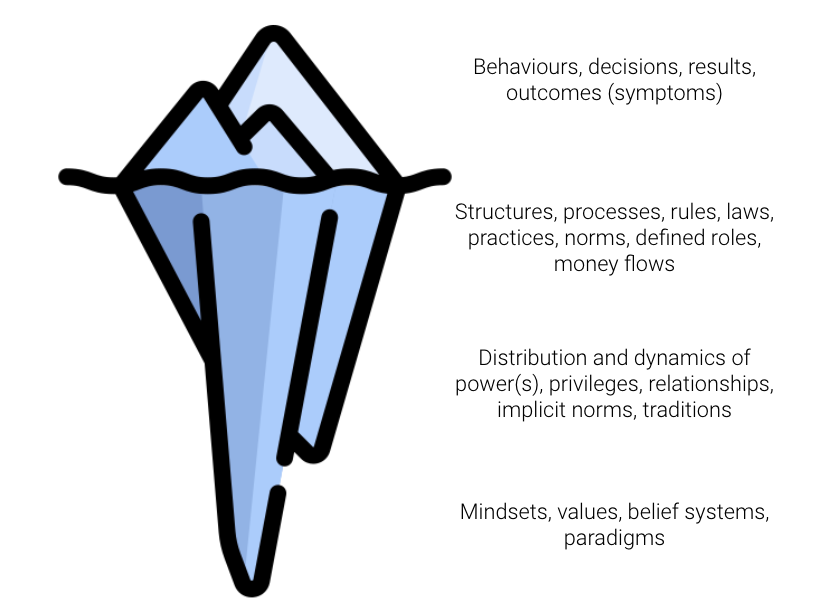

Imagine symptoms as the leaves of a tree. Conventional care often trims the leaves. Functional health examines the roots.
Common root causes include:
-
Chronic inflammation
-
Blood sugar dysregulation
-
Hormonal imbalance
-
Gut microbiome disruption
-
Nutrient depletion
-
Toxic overload
-
Chronic stress
When the root improves, symptoms often improve naturally.
What Conditions Can Functional Health Address?
Functional health is especially helpful for conditions that are chronic, recurring, or poorly explained.
Common Concerns Treated
-
Chronic fatigue
-
Thyroid disorders
-
Hormone imbalance
-
Perimenopause and menopause symptoms
-
Digestive issues, bloating, IBS
-
Autoimmune conditions
-
Brain fog
-
Insulin resistance
-
Persistent weight gain
-
Anxiety and mood instability
-
Inflammatory conditions
Many patients in Omaha seek functional health after years of feeling unheard or told their symptoms are “just stress.”
The Functional Health Assessment Process
Functional health appointments are more comprehensive than typical visits.
Step 1: Deep Health History
This includes:
-
Childhood history
-
Trauma exposure
-
Environmental exposures
-
Dietary patterns
-
Sleep quality
-
Stress levels
-
Family health patterns
-
Medication history
Every detail helps identify patterns.
Step 2: Advanced Lab Testing
Functional health may use:
-
Comprehensive hormone panels
-
Advanced thyroid testing
-
Stool microbiome analysis
-
Food sensitivity testing
-
Micronutrient panels
-
Inflammatory markers
-
Cortisol rhythm testing
-
Insulin resistance markers
These lab tests provide a clearer picture of system imbalances.
Step 3: Personalized Plan
Treatment plans may include:
-
Targeted nutrition adjustments
-
Strategic supplementation
-
Gut repair protocols
-
Hormone balancing strategies
-
Stress reduction techniques
-
Detoxification support
-
Lifestyle restructuring
The plan evolves as the body responds.
Book your Consultation today!
Why Functional Health Is Growing in Popularity
Across the United States, chronic disease rates are rising. Many individuals live with persistent symptoms despite “normal” labs.
Functional health appeals to people who:
-
Want natural options
-
Prefer prevention over reaction
-
Seek personalized care
-
Desire longer appointment times
-
Want education about their body
-
Are frustrated by symptom cycling
Patients often report feeling empowered rather than dependent.
Functional Health and Prevention
One of the strongest aspects of functional health is prevention.
Instead of waiting for disease to develop, practitioners evaluate:
-
Early inflammatory markers
-
Blood sugar trends
-
Hormonal shifts
-
Nutrient depletion
-
Stress load
This allows early correction before larger issues emerge.
Prevention may reduce risk for:
-
Type 2 diabetes
-
Cardiovascular disease
-
Autoimmune disorders
-
Metabolic syndrome
-
Hormonal disorders
The Systems Biology Perspective
Functional health is rooted in systems biology.
The body includes interconnected networks:
-
Gut influences brain
-
Brain influences hormones
-
Hormones influence metabolism
-
Metabolism influences inflammation
-
Inflammation influences immune function
No system operates independently.
For example, gut microbiome imbalance may:
-
Increase inflammation
-
Disrupt neurotransmitters
-
Alter hormone metabolism
-
Contribute to anxiety
-
Affect weight regulation
Addressing the gut can create ripple effects across the body.
Is Functional Health Evidence Based?
Functional health integrates:
-
Peer reviewed research
-
Clinical experience
-
Advanced diagnostics
-
Nutritional science
-
Systems biology
It is not alternative in the sense of rejecting science. It expands the lens beyond symptom management.
Many lifestyle interventions, such as anti inflammatory nutrition, stress reduction, sleep optimization, and blood sugar stabilization, are strongly supported by research.
What Makes Functional Health Personalized?
Two people with the same diagnosis rarely share the same root cause.
Example:
Two women with hypothyroidism:
-
One may have autoimmune Hashimoto’s disease triggered by gut permeability.
-
The other may have stress induced cortisol disruption suppressing thyroid conversion.
-
Another may have nutrient deficiencies impairing thyroid hormone production.
Treatment differs based on mechanism.
This personalization is central to functional health.
Book your Consultation today!
Functional Health and Lifestyle Medicine
Lifestyle is not a small factor. It is foundational.
Core lifestyle pillars include:
-
Nutrition quality
-
Sleep duration and depth
-
Stress regulation
-
Physical activity
-
Environmental toxin reduction
-
Social connection
Functional health does not ignore medications when needed, but it prioritizes restoring foundational habits.
What a Functional Health Plan Might Include
Every plan is individualized, but components may involve:
Nutrition Strategy
Anti inflammatory whole foods, blood sugar stabilization, elimination trials if needed.
Supplement Strategy
Targeted nutrients, probiotics, digestive enzymes, adaptogens, omega 3 fatty acids.
Hormone Optimization
Thyroid support, adrenal recovery, estrogen balance, testosterone evaluation.
Gut Repair
Microbiome balancing, barrier restoration, reduction of inflammatory triggers.
Stress Regulation
Breathing practices, nervous system retraining, cortisol rhythm support.
Movement Prescription
Strength training, low intensity cardio, mobility work.
The Functional Health Timeline
Healing is not instant. Chronic issues develop over years.
General expectations:
-
1 to 3 months for noticeable symptom shifts
-
3 to 6 months for measurable lab improvements
-
6 to 12 months for deeper system restoration
Progress depends on consistency and severity of imbalance.
Who Is a Good Candidate for Functional Health?
You may benefit if you:
-
Feel dismissed by previous providers
-
Have chronic symptoms with no clear answers
-
Want natural and lifestyle based solutions
-
Prefer in depth consultations
-
Are motivated to participate in your health plan
-
Seek prevention rather than reaction
Functional health requires collaboration between patient and practitioner.
Functional Health in Omaha
Residents of Omaha often face unique stressors:
-
High stress work environments
-
Seasonal weather shifts
-
Sedentary lifestyles
-
Processed food exposure
-
Environmental toxin accumulation
Functional health offers a comprehensive model tailored to individual needs within the Omaha community.
Book your Consultation today!
Frequently Asked Questions
Is functional health the same as holistic medicine?
Not exactly. Holistic medicine considers the whole person. Functional health specifically investigates root causes using systems biology and advanced diagnostics.
Does insurance cover functional health?
Coverage varies. Many services may be out of network, though some lab testing can qualify for reimbursement.
Do I have to stop my medications?
No. Functional health can complement conventional care. Any medication changes should be supervised.
Is it safe?
Yes, when supervised by trained practitioners using evidence informed approaches.
The Bigger Picture
Functional health represents a shift in thinking.
Instead of asking, “What drug matches this diagnosis?” it asks, “What is disrupting normal function?”
Instead of suppressing inflammation indefinitely, it explores why inflammation is present.
Instead of accepting fatigue as normal, it investigates mitochondria, hormones, sleep quality, stress load, and nutrient status.
It is proactive rather than reactive.
It is investigative rather than dismissive.
It is collaborative rather than prescriptive.
Final Thoughts
Functional health is about restoring balance, not masking dysfunction.
It recognizes that:
-
Symptoms are meaningful
-
Lab ranges should reflect optimal function
-
The body is interconnected
-
Personalization matters
-
Prevention is powerful
-
Healing requires participation
For individuals in Omaha searching for long term solutions rather than temporary symptom relief, functional health offers a comprehensive and personalized path forward.
If you are experiencing persistent fatigue, hormone imbalance, digestive distress, brain fog, or unexplained symptoms, exploring a functional health approach may provide the clarity and direction you have been seeking.
Book your Consultation today!